Wednesday, December 19, 2007

Two New ED Drugs: How They Measure Up Against Viagra?

Two New ED Drugs: How They Measure Up Against Viagra?

Since Viagra was approved by the FDA in 1998, the number of men diagnosed with erectile dysfunction in the United States has increased by 250 percent. So there is no wonder why two new drugs for the condition have recently hit the market. The January issue of Harvard Health Letter examines Levitra and Cialis and assesses how these drugs measure up against the groundbreaking Viagra. Levitra offers a much smaller dose, 10 milligrams (mg), compared with the usual starting dose of 50 mg for Viagra. Levitra may also work faster- 25-30 minutes compared with an hour for Viagra. Cialis, on the other hand, stays active in the body much longer than the other two drugs 24-36 hours-compared to 4-5 hours for Viagra and Levitra.

The January Harvard Health Letter also examines the three drugs' similarities:

  • They all work by relaxing smooth muscle cells, thereby widening blood vessels.
  • None of the drugs automatically produce an erection. Rather, they make an erection possible with sexual arousal.
  • Resulting side effects are comparable and may include headaches, heartburn, and flushing.
  • The FDA advises against mixing these drugs with alpha blockers and nitrate medications.

Even with the introduction of these two new drugs, the decision to medicate erectile dysfunction should be carefully considered with a physician and will vary among male patients.

Sex Education in Schools May Help Delay Teen Sex

Sex Education in Schools May Help Delay Teen Sex

Sex education in school may encourage teenagers to put off having sexual intercourse, the results of a U.S. government study suggests.

The study, published Wednesday in the Journal of Adolescent Health, did not whether the type of program matters - that is, abstinence-only versus more-comprehensive programs.

However, the findings do suggest that having some form of sex education helps delay teen sex, according to the researchers, from the Centers for Disease Control and Prevention (CDC) in Atlanta.

In a national survey of more than 2,000 adolescents between 15 and 19 years old, the researchers found that teens who had sex ed in school were more likely to put off sex until at least age 15. Furthermore, boys who received sex ed were less likely to have started having sex at all.

"Sex education seems to be working," lead researcher Dr. Trisha E. Mueller, an epidemiologist with the CDC, said in a statement.

Review Of Fibric Acid Derivatives In Primary and Secondary Prevention Of Coronary Heart Disease

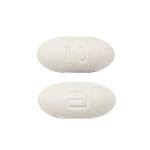
fenofibrate, antara, lofibra, tricor, triglid

The fibric acid derivatives, also known as fibrates, are well established as effective agents for managing dyslipidemia, in particular elevated concentrations of triglyceride-rich very-low-density lipoprotein (VLDL) and VLDL remnants and low levels of high-density lipoprotein cholesterol (HDLC) that are typically associated with the dyslipidemia characteristic of type 2 diabetes and the metabolic syndrome. Clofibrate has been discontinued in the United States since it has been associated with cholangiocarcinoma and other gastrointestinal cancers 1. Other fibrates that are available worldwide include bezafibrate and ciprofibrate.

Fibrates are indicated for the treatment of hypercholesterolemia, hypertriglyceridemia, and as adjunctive therapy to diet to reduce elevated total cholesterol, low-density lipoprotein cholesterol (LDLC), triglycerides, and apolipoprotein-B (apo-B), and to increase HDL-C in adult patients with primary hypercholesterolemia or mixed dyslipidemia. 2 The use of fibric acid derivatives has decreased over the years because of unimpressive results in major clinical trials, safety concerns, and the emergence of HMG-CoA reductase inhibitors, more commonly known as statins. While statins are considered firstline therapy for dyslipidemia based on their efficacy in reducing levels of LDL-C, they exhibit only modest effects by decreasing triglycerides about 15-35% and increasing HDL up to 15% 3. The safety and efficacy of fibrates have been reviewed in six major clinical trials during the past 30 years. The results have generated mixed findings when evaluating overall mortality, cardiovascular events, and adverse effects. The inconsistent outcomes may be a result of differences among individual fibrates and highly varied study populations. In this article, the pharmacology of the fibrates is discussed along with evaluating their role in the primary and secondary prevention of coronary heart disease (CHD).

Mechanism of Action

Fibrates have a complex mechanism of action, involving several steps in the metabolism of lipoproteins. Primarily, fibrates affect the peroxisome proliferator activated receptor (PPAR)-α (Table 1) 4. The PPARs are a group of nuclear receptors predominantly expressed in tissues, such as the liver, kidney, heart and muscle, that metabolize fatty acids 5. On activation by binding of the fibrate, PPAR-α binds as heterodimers with a retinoid X receptor (RXR), which then recognizes and binds to specific PPAR-α response elements leading to expression modulation of the target genes 5. In particular, the activity of lipoprotein lipase is increased and synthesis of apoC-III is decreased, which both enhance the clearance of circulating triglyceride-rich lipoproteins 6. PPAR-α activation regulates gene expression involved in metabolic pathways including lipid metabolism, thereby reducing triglyceride concentrations and increasing HDL concentrations.

Monday, December 10, 2007

Pepsi makes the right choice on HIV/AIDS

Pepsi makes the right choice on HIV/AIDS

Beverages major, Pepsico, has joined hands with NGOs Bhoruka Public Welfare Trust and Durbar in Kolkata to spread awareness on AIDS/HIV and popularise the use of condoms among local people.

According to Sanjiv Saxena, director-east of PepsiCo, "Pepsi's biggest consumers are people between 18 and 35 years of age. This age group is also most vulnerable to diseases like AIDS. So we thought of reaching out to the masses with the help of local NGOs in creating AIDS awareness as part of our corporate social responsibility."

Since 2005, Pepsi has been engaged in training its own employees, factory workers and the truck-drivers who carry Pepsi's stocks, in AIDS awareness programmes and condom usage.

Pepsi has reached out to over 1000 truckers and employees in Kolkata with its AIDS awareness programmes. "So far, our activities were restricted to our eastern India factory at Sonarpur. But now we plan to reach out to more local people in Kolkata," Saxena said.

According to BPWT project manager Ishita Majumdar, corporate partnerships like the one with Pepsico will ease the NGO's work as Pepsi already enjoys a high brand recall .

"We will have to make less efforts to make people listen to us if a big name like Pepsi is associated with the activity," feels Majumdar.

Wednesday, December 5, 2007

Losing Virginity Early Or Late Tied To Health Rrisks

Losing virginity early or late tied to health risks

People who start having sex at a younger or older than average age appear to be at greater risk of developing sexual health problems later in life, a new study suggests.

The findings, according to researchers, cast some doubts on the benefits of abstinence-only sexual education that has been introduced in U.S. public schools.

Using data from a 1996 cross-sectional survey of more than 8,000 U.S. adults, the researchers found that those who started having sex at a relatively young age were more likely to have certain risk factors for sexually transmitted diseases (STD) — including a high number of sexual partners and a history of having sex under the influence of alcohol.

On the other hand, both "early" and "late" starters were at increased risk of problems in sexual function. This was true primarily of men, whose problems included difficulty maintaining an erection and reaching orgasm.

The findings are published in the American Journal of Public Health.

It's not clear from the survey why both early and late starters tend to have more sexual dysfunction, according to the researchers, led by Dr. Theo G.M. Sandfort of Columbia University in New York City.

Monday, December 3, 2007

Health Chiefs Supply The Morning-After Pill To Girls Under 16

Health Chiefs Supply The Morning-After Pill To Girls Under 16

Campaigners have accused health chiefs in Suffolk and Essex of promoting a casual attitude to sex by supplying the morning-after pill to girls under the age of 16. In a new report, published today, the Family Education Trust says 128 primary care trusts across the country are authorising the supply of the emergency pill to girls under 16.

Of this number, 70% are also prepared to insist on provision of the drug to underage girls as a condition of granting a pharmacy licence, it says.

The trust, which researches the causes and consequences of family breakdown, describes the policy as "misguided" and claims it is born out of the "blind ideology" that it will contribute to lower teenage pregnancy rates.

But PCTs in Suffolk and Essex have hit back at the claims, saying although they work hard to make youngsters aware of the consequences of unprotected sex, some girls will ignore advice and go ahead with it anyway.

The trust obtained data under the Freedom of Information Act to discover how many PCTs operated the policy.

Its research found Suffolk PCT, Mid-Essex PCT and Great Yarmouth and Waveney PCT were among those issuing girls under 16 with the morning-after pill, the latter only in the Waveney area.

Saturday, December 1, 2007

The Rapid Test Offers New Weapon Against Chlamydia

The Rapid Test Offers New Weapon Against Chlamydia

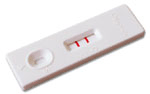
A new rapid test for chlamydia, the world's most common sexually transmitted infection, has proved successful in trials and could help rein in a worrying rise in the disease, British scientists said on Friday.

The test is able to detect chlamydia in less than 30 minutes — and often much faster.

Its speed could also mean it becomes a vital diagnostic tool in the developing world where chlamydia, which can cause infertility, is a largely hidden menace.

The new Chlamydia Rapid Test (CRT) detects bacteria from self-collected vaginal swabs, which are much simpler to obtain than cervical swabs required by existing rapid tests. It is also up to twice as accurate.

"The speed of the CRT means that we can provide a 'test and treat' strategy, offering immediate clinical care to the patient," said Helen Lee of the University of Cambridge, whose research team developed the test.

That could make it particularly useful in mobile clinics or amongst difficult-to-reach populations in the developing world, where high-risk groups such as female sex workers frequently carry the disease undetected.

Chlamydia is easily cured with antibiotics, but often goes undiagnosed. When untreated, it can cause severe health consequences, particularly for women, such as pelvic inflammatory disease, ectopic pregnancy and infertility.

The test will be made available by a university spinout company Diagnostics for the Real World in early 2008. The firm plans to provide the test at virtually cost price to the public sector in developing countries.

An evaluation of the test in three British clinics was reported in the British Medical Journal.

Friday, November 30, 2007

Women With AIDS Face Cervical Cancer Threat

Women With AIDS Face Cervical Cancer Threat

According to a recent report by UNAIDS, access to antiretroviral therapy is beginning to reduce AIDS mortality worldwide. But Dr. Groesbeck Parham, gynecologic oncologist and Director of the Cervical Cancer Prevention Program at the Center for Infectious Disease Research in Zambia (CIDRZ) warns that women being treated for AIDS could end up dying of cervical cancer unless they have access to screening and treatment.

"We are saving women's lives by treating them with antiretroviral therapy, but we could lose a high percentage of them to cervical cancer," said Parham.

Parham and his team have tested more than 10,000 Zambian women in the largest cervical cancer screening program targeting HIV-infected women in the developing world. In a study published last year in the journal Gynecologic Oncology, he reported that 90 percent of HIV-infected women presenting for antiretroviral therapy also harbor cervical cell abnormalities, conditions that left untreated can develop into cervical cancer.

"Before having access to antiretroviral medications, women living in developing nations who had AIDS typically succumbed to it before they could develop cervical cancer," said Parham.

Currently, 80 percent of new cases of cervical cancer and 80 percent of the annual deaths occur in women who live in developing countries. Few women in poor countries have access to cervical cancer screening or treatment.

"As funds are allocated for HIV/AIDS care and treatment, we need to make sure that women's other health issues are not swept under the carpet," said Dr. Mulindi Mwanahamuntu, Co-Director of the CIDRZ Cervical Cancer Prevention Program.

In sub-Saharan Africa, cervical cancer is the most common female cancer and the most common cause of cancer-related death. When cervical lesions are discovered in pre-cancer stage the cure rates are high.

In the CIDRZ program, women are examined by nurses trained in a low-tech, low-cost screening protocol that allows them to identify precancerous or suspected cancer within minutes instead of waiting for results from a pap test. The women can then be treated immediately.

ScienceDaily

Monday, November 26, 2007

Alcoholism & Conduct Disorder Contribute To Having A High Number Of Sex Partners

Alcoholism & Conduct Disorder Contribute To Having A High Number Of Sex Partners

Previous studies have linked heavy drinking and conduct disorder to high-risk sexual behaviors that can, in turn, lead to unintended pregnancies, infection, and damage to reproductive health. A new study has linked the clinical diagnoses of alcohol dependence and conduct disorder among 18-to-25-year-olds to the risk of having a high number of sexual partners.

"Our study is the first of its kind to link problematic drinking and alcohol dependence with a high number of sex partners," said Patricia A. Cavazos-Rehg, research instructor in the Department of Psychiatry at Washington University School of Medicine and corresponding author for the study. "We have moved beyond self-reports of heavy and/or frequent drinking to utilizing a clinical diagnosis of alcohol dependence in order to improve understanding of how alcohol use influences risky sexual behaviors."

"The relationship between risky sexual behavior and conduct disorder has been well documented, especially among young women," added Denise Hallfors, senior research scientist at the Pacific Institute for Research and Evaluation. "What was not known was whether alcohol dependence and conduct disorder independently contribute to the number of sexual partners. Previous studies tended to look at either alcohol dependence and conduct disorder, or conduct disorder and sexual risk, or heavy drinking and sexual risk, but not at all three behaviors together."

Friday, November 23, 2007

IHT Examines Efforts Aimed at Providing Prison Inmates With Condoms to Reduce of HIV

IHT Examines Efforts Aimed at Providing Prison Inmates With Condoms to Reduce of HIV

The AP/International Herald Tribune on Monday examined nationwide efforts to provide prison inmates with condoms in an attempt to reduce the spread of HIV and other sexually transmitted infections. According to the AP/Herald Tribune, efforts by HIV/AIDS and prisoners' rights advocates to distribute condoms in prisons have gone "almost nowhere" because some prison officials and politicians argue that they encourage sexual activity among inmates and can be used to hide drugs.

Vermont and five other cities in the U.S. allow inmates regular access to condoms, the AP/Herald Tribune reports. Vermont's Department of Corrections has provided condom access in prisons since 1992 even though prison regulations ban sexual activity. The program provides inmates one condom at a time if they request it from a health worker. "It's a courageous position that Vermont took then and continues to have now," the corrections department's health services director, Dolores Burroughs-Biron, said, adding that there have been no reports of security problems as a result of the program.